
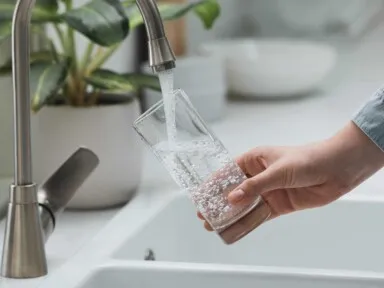
Tap water is one of the most regulated resources in the U.S., but that doesn’t always mean it’s free of issues. In fact, a recent nationwide survey by Leaf Home found that only 20% of Americans “totally trust” their tap water, while over 64% report concerns about water safety, taste, or quality—a reminder that many households are already feeling uneasy about what’s in their water.
Municipal systems work hard to deliver safe water, yet contaminants can sometimes slip through treatment plants or leach into pipes before reaching your faucet. Tap water is typically sourced from groundwater, rivers, reservoirs, and even aquifers, making it both convenient and affordable. However, it can also be exposed to agricultural runoff, industrial waste, and emerging contaminants like PFAS (AKA forever chemicals).
Many homeowners now ask: is my tap water really safe to drink? In this article, we’ll break down everything you need to know about where tap water comes from, how it’s treated, what contaminants might still be lingering, and how to find the best solution for cleaner, safer drinking water for your household.
Tap Water Defined
There are many types of water, but tap water refers to the water flowing through your faucet that’s used for drinking, cooking, cleaning, and everything in between. In the United States, tap water usually comes from public municipal systems or private wells. Public water utilities treat and test water regularly to ensure it’s safe according to Environmental Protection Agency (EPA) standards. Private wells are untreated water sources, and the owners are responsible for managing the safety, contaminants, and sediment levels of their own water.
Where Tap Water Comes From
The majority of tap water comes from surface water (reservoirs, lakes, rivers), groundwater (aquifers), or wells. According to the EPA, about 90% of Americans rely on municipal water systems, while the remaining 10% of households use private wells. Public water is routed to the home through a pressurized pipeline system designed to deliver water to an entire network of homes.
Private wells draw water directly from underground aquifers through a pump system on the homeowner’s property. Private wells are common in rural or less developed areas and provide independence from public utilities.
Municipal Water Supply
Municipal water is regulated under the EPA’s Safe Drinking Water Act (SDWA), which sets limits for more than 90 contaminants. Treatment involves filtration and disinfection with chlorine or chloramine to remove harmful bacteria, chemicals, and other contaminants. Once treated, water moves through a water distribution system of pipes, pumps, and storage tanks to reach homes and businesses where it’s potable.
Public water systems are required to conduct regular testing for bacteria, heavy metals like lead and copper, and various chemical contaminants. Testing results are published annually in Consumer Confidence Reports (CCRs) that inform residents about their water quality. State and local agencies often add additional oversight and testing requirements beyond federal EPA standards.
Private Well Water
Private wells draw groundwater from aquifers through drilled shafts. Because wells are not regulated under federal standards, homeowners are responsible for testing. The Centers for Disease Control (CDC) highly recommends testing well water at least once a year for bacteria and nitrates. Additional or more frequent testing may be necessary for properties with farms, nearby agricultural industries, or if the taste or smell of the water changes.
Common well water contaminants include nitrates, heavy metals, and bacteria like E.coli and coliform. Additionally, groundwater moves through rock and soil where it picks up minerals like calcium and magnesium. These minerals contribute to well water hardness and can affect the taste and quality of your water, cause buildup in pipes and appliances, and leave films on dishes and glassware.
How is Tap Water Treated?
Tap water in public utilities is treated through a multi-step process to remove sediments and bacteria before it’s safe to drink.
- Coagulation and Flocculation: Chemicals such as aluminum sulfate or ferric chloride are added to bind dirt and particles together, forming clumps called flocs.
- Sedimentation: Water is transferred to large tanks where it sits, allowing the heavier flocs to settle to the bottom.
- Filtration: The clearer water on top passes through several different filters made of sand, charcoal, gravel, or activated carbon, which help remove parasites, bacteria, viruses, and dissolved particles like dust and chemicals. (Some utilities also use ultrafiltration or, often in the case of recycled water, reverse osmosis).
- Disinfection: Water is disinfected with either chlorine or chloramine to neutralize any remaining germs. Some municipalities may use UV light or ozone for disinfection, but those methods don’t keep water protected when it’s later traveling through pipes and distribution systems to the home.
After disinfection, utilities often adjust pH (to improve taste, help reduce pipe corrosion, and help disinfectants stay effective) and add fluoride (which helps support dental health when maintained at the right levels).
Treatment methods also vary by community based on the source water, as surface water typically requires more treatment than groundwater.
What’s in Tap Water: Common Contaminants
Tap water can contain trace amounts of contaminants, ranging from harmful substances like lead and PFAS to aesthetic issues like hard water minerals that affect taste and the lifespan of appliances. While most municipal water meets EPA safety standards, understanding what might be in your water and why some people choose to filter it can help you make informed decisions about your household’s water quality.
Metals
- Lead: Lead can leach into water from pipes and plumbing materials. No level of lead in water is considered safe, and it can be especially dangerous for children, which is why many choose to filter lead from water.
- Copper: High levels of copper from pipes and corrosion can cause stomach, liver and kidney issues over time.
- Arsenic: Can come from natural deposits in soil or rock, old pesticides, or industrial waste. Long-term exposure can increase the risk of skin, bladder, or lung cancer, and risk of heart disease.
Solution: Reverse osmosis with a post-carbon filter
Chemicals
- PFAS (“forever chemicals”): These chemicals are found in non-stick cookware, waterproof fabrics, and in water near industrial sites. These compounds persist in the environment and the body and are linked to cancer, thyroid issues, and immune dysfunction. Recently, the EPA rolled back protections on PFAS, which is why many households turn to reverse osmosis filters to remove PFAS.
- Nitrates: Excess nitrates can be caused by fertilizer runoff, septic systems, and animal waste. High levels can cause health issues, especially for infants.
- Pesticides: Agricultural runoff can introduce chemicals like atrazine or glyphosate. Though the EPA regulates these, studies have linked long-term exposure to potential endocrine and cancer risks. Luckily, they can be filtered out with reverse osmosis and activated carbon filters.
- Chlorine byproducts: Disinfection byproducts, such as trihalomethanes, can form when chlorine reacts with organic matter. Long-term exposure has been associated with bladder cancer and reproductive issues.
Solution: Reverse osmosis or whole-home carbon filtration
Microbial
- Bacteria: E. coli, Legionella, and coliform bacteria cause gastrointestinal illness, which can be dangerous for elderly and immunocompromised individuals.
- Viruses: Norovirus, hepatitis A, and rotavirus can cause illness if water treatment fails.
- Parasites: Giardia and Cryptosporidium are resistant to chlorine and cause severe diarrhea and dehydration.
Solution: During boil-water advisories, boil water for 1–3 minutes before use. For ongoing protection, consider ultraviolet (UV) water filter systems or reverse osmosis systems that target microorganisms.
Aesthetic Issues
- Iron: Can cause brown water, rust stains, and metallic taste, but not linked to health risks.
- Hard water: Elevated calcium and magnesium creates hard water, which creates scale buildup, makes soaps lathering less effective, and can dry hair or irritate skin.
- Sulfur: Can cause a rotten egg smell, making water unpleasant to drink. This is more common for those who use a private well.
Solution: Install a water softener for hardness, an activated carbon filter for iron, and consider whole home well water solutions to remove sulfur.
While this list may sound concerning, it’s highly unlikely for risky amounts of contaminants to be present in your water. To find out exactly what’s in your drinking water, it’s helpful to know how to read your local water quality report. For peace of mind, take advantage of a free professional water test from Leaf Home to see which contaminants you should be mindful of.
Health and Everyday Risks
While the maximum contaminant levels set by the EPA are designed to keep drinking water safe, some contaminants, like PFAS, were not regulated federally until 2024, and several cities exceed EWG recommendations for water. Staying informed about water safety helps households stay ahead as technology and understanding of drinking water contaminants continue to evolve.
How to Know What’s in Your Water
For households on public water systems, start by reviewing your annual Consumer Confidence Report (CCR). This report lists all detected contaminants and whether they exceed EPA limits. You can find it on your local utility’s website or through the EPA’s CCR search tool. Keep in mind, these reports only reflect water quality leaving the treatment plant. The water in your home may have different levels depending on the quality of your pipes.
If you have a private well, test your water at least once a year for bacteria and nitrates, with more comprehensive lab testing every few years.
Some dangerous water contaminants—such as lead, PFAS, and arsenic—have no taste, smell, or color, meaning your water can appear clean while still containing invisible risks. Professional testing is the only way to know exactly what’s in your water.
Tap Water vs. Bottled Water
Many people compare tap vs bottled water because they want to know which is safer, cleaner, or better tasting for their families. While both options can be safe to drink, they differ in taste, price, and sustainability. Let’s take a look at how they compare.
| Category | Tap Water | Bottled Water |
|---|---|---|
| Safety & Regulation | ✅ Regulated by the EPA under the Safe Drinking Water Act; tested daily for 90+ contaminants. | ❌ Regulated by the FDA; standards can vary by brand. |
| Cost | ✅ About $0.002 per gallon — thousands of times cheaper. | ❌ Ranges from $0.50–$2 per gallon. |
| Environmental Impact | ✅ Delivered through existing infrastructure with minimal waste. | ❌ Creates billions of plastic bottles annually; high carbon footprint |
| Convenience | ❌ Not portable; requires refillable containers on the go. | ✅ Easy to grab and transport anywhere. |
| Taste & Odor | ✅ Can be improved with simple filters; many prefer its neutral taste. | ✅ Often filtered for taste; ❌ can pick up plastic odors during storage. |
| Transparency | ✅ Local utilities provide Consumer Confidence Reports each year. | ❌ Bottled brands aren’t required to share detailed water quality data publicly. |
Key Tap Water Takeaways for Homeowners
Municipal tap water is regulated and treated, but trace contaminants can still slip through. The best way to protect your health, home, and the quality of your water is to know what’s in it. Health risks and water contaminants can vary depending on where you live, where you source your water from, and the state of the pipes in your home and municipality.
If you notice changes in the appearance, taste, or smell of your water, it might be time to conduct a home water test. Leaf Home offers free home water tests and delivers results on exactly what’s in your water with advanced digital testing. Once you understand your unique water issue, it’s easier to identify which home treatment options or filtration methods are best for you.
Frequently Asked Questions
Is tap water safe to drink in every region?
Tap water is generally safe to drink in most of the United States, but safety can vary by location, especially if you live in one of the cities with the highest levels of contaminants, like Los Angeles or Houston. Aging infrastructure, lead pipes, or agricultural runoff can introduce contaminants. Private well owners should conduct their own water safety tests. For insights on municipal water quality in your region, check your local CCR and conduct regular home water tests.
How often should I test my tap water?
If you’re on a municipal system, you’ll receive an annual water quality report (CCR) from your local utility with the results from testing by your local water management. For private wells, the CDC recommends testing annually for bacteria and nitrates, with more comprehensive testing every 3-5 years. Additional testing may be advised if plumbing work or construction happens nearby or if your water’s appearance, color, or taste changes.
What are common tap water contaminants?
Common contaminants found in tap water include heavy metals (lead, copper, arsenic), chemicals (PFAS, nitrates, pesticides, chlorine, chlorine byproducts), microbes (bacteria, viruses, parasites), and hard water minerals that affect water quality and limescale buildup.
Most contaminants can be filtered using activated carbon filters or reverse osmosis systems. For microbial concerns, we recommend disinfecting with UV filters.
Can I improve tap water taste at home?
Yes, there are many ways to enhance the taste of tap water at home. Most issues stem from the pH of water, chlorine, or mineral content. Chlorine can be removed with activated carbon pitchers or sink faucet filters. Hard water minerals, calcium and magnesium, can be addressed with a water softening system. Reverse osmosis systems can be installed under the sink and address lead, arsenic, copper, PFAS, and improve taste.
Does boiling tap water remove all contaminants?
Boiling water is highly effective at neutralizing microorganisms, eliminating 99.9% or more of bacteria, viruses, and parasites that cause waterborne illness. However, boiling does not remove chemical contaminants such as lead, arsenic, PFAS, or nitrates. Boiling water might be necessary in cases of emergency, when municipal water systems are compromised and the immediate threat is bacterial contamination. To remove chemical pollutants and address microbial contaminants long-term, proper filtration and comprehensive treatment systems are recommended.