Well water that works for you.
Our water experts are highly trained to test your water and create a custom solution to deliver the water you deserve.

Well Water Softener & Filtration Systems that target your unique issues
Our water experts will recommend a custom combination of the following purification and filtration systems based on your well water’s issues.
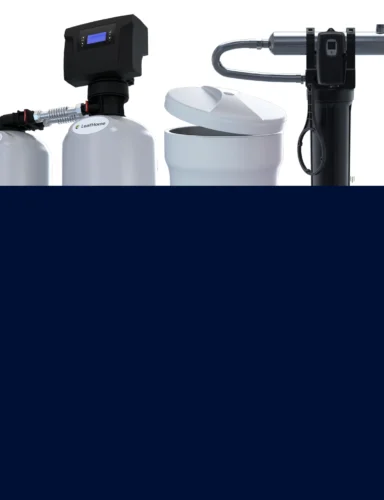
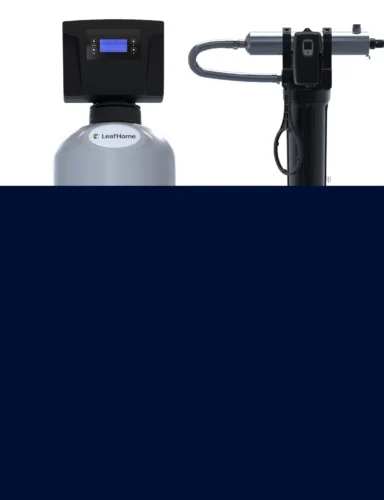

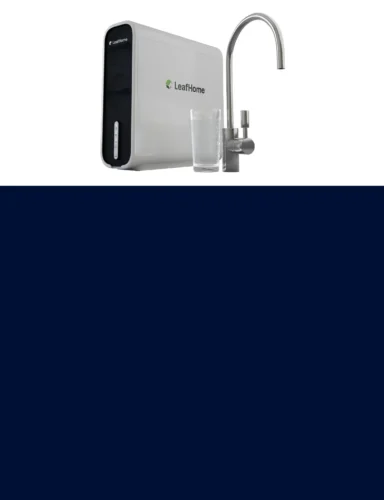
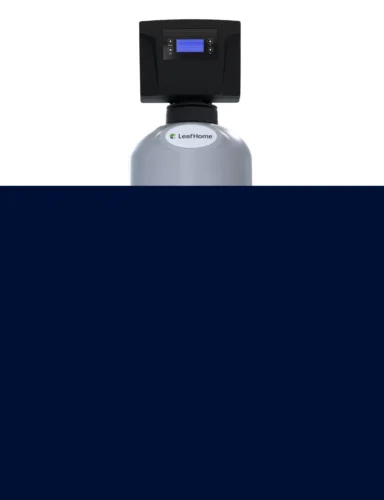
Benefits of Well Water Softener & Filtration Systems
Though well water can be fresher and more mineral-rich than municipal water, it often contains hard water minerals and other contaminants that can cause unpleasant smells, tastes, and may even pose health risks. Let’s discuss how a well water softener system can benefit your home.
Safeguard your health
We know well water isn’t treated the same way as city water. We test your water, then work with you to develop a custom whole home filtration system that filters common contaminants, ensuring you and your family have cleaner, safer water for your home.
No more smelly water
Rotten egg smell? Hydrogen sulfide. Musty smell and metallic taste? Iron. Our water experts know the causes of common well water issues. They create custom solutions for better taste and smell. So, you can have water you love.


Improved hydration
With water that tastes and smells better, you’re more likely to drink it. That leads to better hydration. Plus, fewer contaminants can help overall health and wellness by supporting digestion, skin health and kidney function.
Longer-lasting appliances
Hard water can wreak havoc on your plumbing system and appliances thanks to scale buildup. By reducing these damaging sediments and minerals, you’ll reduce appliance maintenance costs and extend their lifespan.

Diagnosing well water
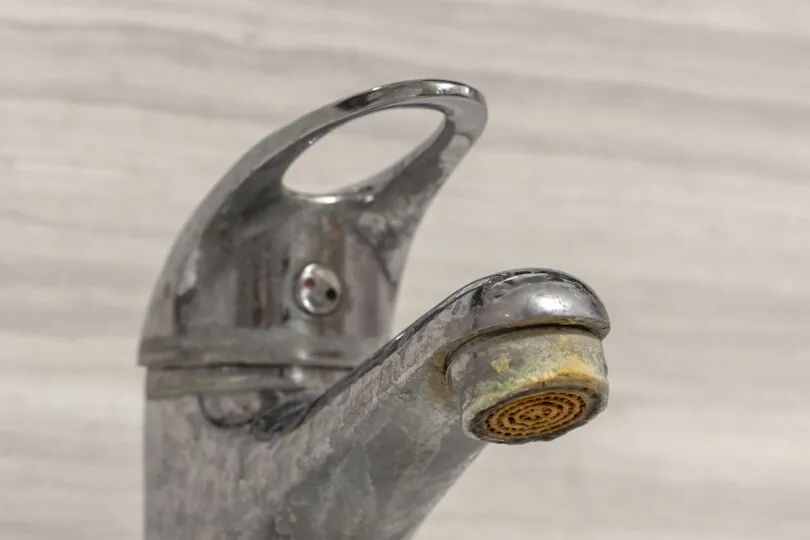
We bring the highest standards to your home. Starting with a comprehensive test, we analyze your water quality. And design a custom solution to improve it at every tap.
System Features

Space Saving Design
Combined features help reduce connections and overall footprint in your home.

Smart Controls
Simple menu navigation, default presets, and instant system status display.

Solid Construction
NSF Certified components ensure structural integrity and durability.
Frequently asked questions
Well water can contain a mix of naturally occurring microbial, chemical, and physical contaminants that can lead to common issues such as iron and manganese staining, hard water, sulfur (“rotten egg”) or musty odors, high sediment levels, cloudy or brown water, bacteria like E. coli, imbalanced pH, metallic taste and scale buildup.
Symptoms of well water contamination—and an indication that filtration is likely needed—include unpleasant odors, visible staining, cloudy or discolored water, metallic taste, scale buildup, or recent water test results showing contaminants. A professional water test is the best way to determine exactly what’s in your water and which filtration system you need.
When looking at city water vs. well water, the biggest differences are the source and who’s responsible for treating it. Well water comes directly from underground and is not pre-treated, so it may contain minerals, sediment, or bacteria. City water (which is typically surface water) is treated at a municipal facility and usually disinfected with chlorine or chloramines before entering your home. Because well water treatment is the responsibility of the owner, it usually requires specialized filtration at the home.
The most effective ways to help reduce well water contaminants often include a combination of:
- Sediment filtration for sand, dirt, and debris
- Advanced whole home filtration for disinfection byproducts
- Water softeners for hardness
- UV filtration for bacteria, microorganisms, viruses, and cysts
- Reverse osmosis for purified drinking water
Your ideal setup depends on the results of your water test. Leaf Home professionals can recommend a system based on your home’s water from our 250+ product combinations.
Yes — when your system includes UV water sterilization, which can neutralize 99.99% of harmful microorganisms such as E. coli, coliform bacteria, viruses, and parasites. Leaf Home’s UV system also includes a built-in sediment pre-filter, which helps remove particulates like rust, sand, and dirt before the water reaches the UV chamber.
Because UV treats only microorganisms and does not remove minerals or sediment on its own, this combined filtration ensures the UV light can work effectively. Not all filters kill bacteria, so UV is typically recommended when bacterial contamination is present.
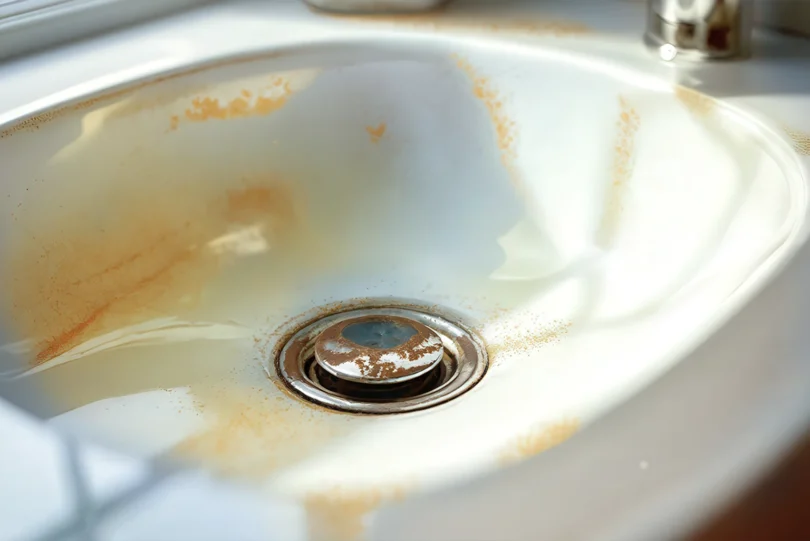
Yes. Iron and manganese are two of the most common causes of orange or brown staining on sinks, tubs, laundry, and fixtures. Leaf Home can recommend a whole-home system that is designed to help reduce these minerals, along with other contaminants, to improve your water’s clarity, taste, and overall performance throughout your home.
The “rotten egg” smell in water usually comes from hydrogen sulfide gas. A professional water test can confirm whether the issue is present in your water.
Depending on the source and severity, sulfur can be reduced through hydrogen peroxide injection, oxidation, aeration, or specialized filtration media such as catalytic carbon. If the odor is coming only from hot water, adjusting or replacing the water heater’s anode rod may resolve it. For whole-home treatment, a customized filtration system is typically the most effective long-term solution.
Not always. A filtration system helps reduce contaminants, but it does not reduce hardness minerals. A water softener is needed to help reduce excess calcium and magnesium that cause scale buildup. Many well water homes use both a softener and a filtration system for the best overall water quality.
A UV system is recommended to protect against bacteria, viruses, cysts, and other microorganisms, or if you want an added layer of protection. UV treatment neutralizes microbes without chemicals and, when combined with the right filtration, it provides a powerful additional step for well water safety.
Some parts of a whole-home well water system might require filter replacement at different points in time. For example, UV lights are often replaced once a year, while some tank media can last up to 10 years. It is important to ask specific questions to your installation professional.
Because well water systems often include multiple filtration stages, electrical components, and UV lights, professional installation is strongly recommended. A whole-home system must be connected to your main water supply line and configured correctly to help ensure proper flow, pressure, and performance.
Leaf Home Water Solutions provides free, professional installation, and our locally trained water experts make sure your system is set up safely and working properly before they leave your home.
Some components of a high-quality well water filtration system can last 10–20 years, depending on water quality, the system type and how well it’s maintained. Components like filters and UV bulbs will need periodic replacement.
Yes. Annual water quality testing helps ensure your system is working properly and alerts you to any changes in groundwater quality that might require additional filtration.
Your system size depends on your household water demand. Larger homes or homes with higher water usage typically need systems with greater flow capacity to maintain strong water pressure and consistent filtration. During your free consultation, a Leaf Home water expert will recommend the right system size for your home’s needs.
When your system is properly configured based on a professional water test, well water filtration can significantly improve safety by reducing sediment, contaminants, and microorganisms. The right combination of filtration and purification can produce cleaner, safer well water throughout your home.
Maintenance typically includes:
- Replacing filters on schedule
- Checking system pressure
- Cleaning or replacing media
- Changing UV bulbs annually (if applicable)
- Performing regular water testing
Proper maintenance keeps water quality consistent and extends the system’s lifespan.
Yes. Unfiltered water can lead to costly problems. By reducing sediment, iron, hardness minerals, and corrosive contaminants, well water filtration can help prevent buildup, staining, and premature wear on your plumbing fixtures and household appliances. Cleaner, conditioned water supports better performance and longer lifespan for water heaters, dishwashers, washing machines, and more.
A whole-home (point-of-entry) system treats water as it enters the house, protecting all fixtures, plumbing, and appliances from issues like hard water. This ensures better water quality for bathing, laundry, cleaning, and cooking.
An under-sink (point-of-use) filter treats water at a single tap, usually for drinking and cooking. These systems help reduce dissolved solids, chemicals, and other contaminants that impact flavor.
Most well water homes benefit from a whole-home system plus an optional under-sink purifier.