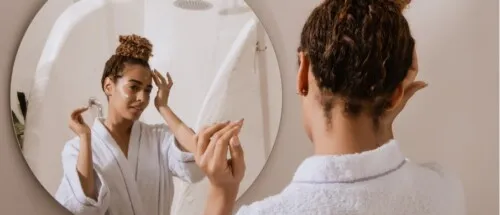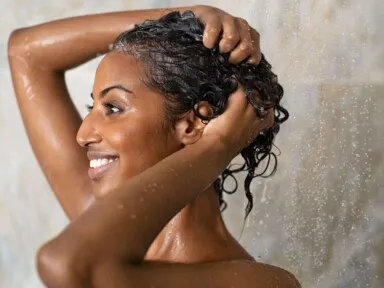
Dullness, scalp irritation, and color damage—these are just a few of the issues associated with hair care in hard water. The impact of hard water on hair, skin, and nails can vary from person to person, the difference is often noticeable.
Hard water occurs when there are high levels of dissolved minerals, mainly calcium and magnesium, present in the water. Those minerals leave behind limescale on your pipes and fixtures, and they can also build up in your hair and scalp. Over time, this buildup can make it harder for hair to get fully clean, leading to irritation. This article will explore these effects in detail and share eight practical hair treatment options for hard water.
In This Article
- Is Hard Water Bad For Hair?
- 8 Effective Hard Water Hair Treatments
- How to Help Prevent Future Buildup From Hard Water
- Soft Water vs. Hard Water
- Get Healthier Hair With Soft Water
- Frequently Asked Questions
Is Hard Water Bad for Hair?
Washing your hair in hard water can cause mineral buildup that makes products less effective, earning it the nickname “the silent beauty killer.” Because of this buildup, over time you may end up with dry or brittle hair, or hair that feels limp and weighed down, making it harder to maintain shine, volume and bounce.
Signs of Hair Damage from Hard Water
Whether you know you have hard water or not, there are several ways to tell if your home’s water is damaging your hair. These are the most common issues:
- Breakage and thinning: Mineral buildup coats the hair shaft and raises the cuticle layer. This roughens the strand, makes it less flexible, and interferes with protein structure and moisture balance. Over time, that brittleness leads to more snapping, split ends, and a thinning appearance.
- Discoloration: Hard water can cause hair color to fade or change. Mineral deposits commonly cause hair dyes to turn orange, yellow, or green. They also accelerate fading.
- Dryness: Without moisture penetrating the hair, it can become dry and frizzy.
- Dullness: Buildup can cause the hair to look less shiny by blocking light reflection and making the hair look flat.
- Scalp irritation: Minerals from the water can cause scalp dryness and irritation.
Does Hard Water Cause Hair Loss?
While hard water can cause hair to become brittle and break, it does not contribute directly to hair loss. Research has shown that hard water may lead to breakage; however, there have not been definitive studies that indicate it is a cause of hair loss.
8 Effective Hard Water Hair Treatments
If you have hard water in your home, there are ways to beat the buildup and maintain healthy hair. From clarifying treatments and chelating shampoos to implementing a water filtration system, there is a lot you can do. However, if you are experiencing significant or persistent breakage or scalp issues, consult a dermatologist or trichologist to rule out any medical concerns.
1. Chelating Shampoos
Shampoos containing chelating agents, such as EDTA or EDDS, are excellent for combating hard water buildup. Chelators help bind and remove both metal and mineral deposits, which helps prevent the deposits from binding to your hair instead. Depending on your hair’s needs, you should use this shampoo every one to three weeks. Be sure to moisturize your hair well after chelating with a conditioner or mask, since the shampoo can strip away essential oils and minerals.
2. Clarifying Shampoos
Unlike chelating, which reaches deposits in the hair shaft itself, clarifying shampoos only help remove surface-level residue and buildup. You can use a clarifying shampoo once a week or as needed. Just remember to moisturize afterwards so your hair doesn’t become dry, since the clarifying shampoo can strip your hair of moisturizing oils. Try not to clarify too frequently, as this can lead to issues such as scalp irritation, brittle hair, and dullness.
3. Pre-Shampoo Treatment
Before you wash your hair, you could always apply a pre-shampoo (or “pre-poo”) treatment, which can help protect your hair and scalp before cleansing. You can apply these to dry or damp hair before shampooing. Moisturizing options with ingredients like hyaluronic acid, castor oil, or plant collagen help lock in hydration and can be used every wash. For mineral or product buildup, clarifying pre-poos (like scalp scrubs or hair detoxes) offer a deeper clean but should be limited to about once a week to avoid over-drying.
4. ACV/Lemon Rinse
A hair rinse using diluted lemon juice or apple cider vinegar, applied before washing, can also help remove residue and smooth the hair’s cuticles. Either method can be used once a week, as they can dry out your scalp if overused. You can mix these to be more or less diluted with one part ACV/lemon to 5-10 parts water. If you start to experience irritation, discontinue using the rinse.
5. Deep Conditioning
Using a deep conditioner or hair mask after any of these strong cleansing treatments is essential, as they restore hydration, shine, and manageability. It’s recommended to deep condition after every clarifying or chelating shampoo, or at least once a week.
6. Leave-in Conditioners/Heat Protection
Leave-in conditioners help seal in moisture post-wash, and some even protect against further damage from heat styling—which is especially helpful when your hair becomes dry or brittle from hard-water buildup. According to the American Academy of Dermatology Association, it can be helpful to use leave-in conditioners every time you shampoo, and it is safe to leave them in your hair for up to a week.
7. Shower Filters
Filters can be installed on your shower head or tap to help reduce the amount of impurities in the water as it passes through. These point-of-use filters are a first-line defense against damage to your hair in the shower. However, a shower filter will generally not remove water hardness caused by minerals like calcium or magnesium. Instead, they help reduce other impurities like chlorine, which can contribute to hair issues related to hard water. For instance, a kinetic degradation fluxion (KDF) filter can help reduce or remove chlorine, heavy metals, bacteria, and other impurities.
8. Whole-Home Water Softening Systems
One of the best ways to effectively eliminate hard water is by installing a whole-home water softening system. The significant difference between hard and soft water is that soft water does not contain high levels of dissolved minerals, such as calcium or magnesium. Installing a water softening system can support healthier hair, skin and nails, while also helping reduce or eliminate mineral buildup or limescale on pipes and appliances.
Particularly if you live in one of the country’s top ten cities for hard water, it is a good idea to address the issue in your entire home.
How to Help Prevent Future Buildup from Hard Water
Even with hard water, there are several ways to help reduce or prevent buildup in your hair. Some of these include small tweaks such as using a weekly deep-conditioning mask to rehydrate your hair or installing a showerhead water filter to help reduce the contaminants in the water.
| When | What to do | Why |
| Every wash | Rinse well, condition, and use a leave-in conditioner with heat protection | Maintains slip, minimizes breakage. |
| Weekly | Use a clarifying treatment followed by a deep conditioner | Helps remove surface buildup and rehydrate. |
| 1-3 weeks (or as needed) | Chelating shampoo (deeper-reaching buildup removal) | Use lightly; avoid back-to-back clarifying use with chelating agents. Helps reduce mineral buildup; space out if hair feels dry. |
| Ongoing | Consider whole-home water softening for extremely hard water | Only softeners help remove calcium and magnesium |
Soft Water vs. Hard Water
Aside from hair damage or shampoos that aren’t lathering like they should, there are many other reasons to understand the difference between soft water vs. hard water. Hard water also makes it more difficult for dish soap to be effective; it can cause pipe buildup, mineral buildup in your shower or tub, and can shorten the lifespan of appliances. Meanwhile, soft water helps prevent mineral buildup in appliances and pipes, helps reduce water scum, and leaves your skin and hair feeling cleaner and healthier.
Get Healthier Hair With Softer Water
A great way to help keep your hair healthier is to make the switch from hard water to soft water. With a whole-home water softener, the dissolved minerals are reduced, which also helps eliminate the buildup they leave behind in your hair. Installing a water softener can be more expensive in the short term; however, it may eliminate the need for specialty hair products, help reduce the time spent on extra care for hair, skin, and nails, and even help prevent potential damage to items like appliances and water pipes.
If you’re one of the 85% of households in the U.S. impacted by hard water, chances are your hair is paying the price with dryness, dullness, or faster hair color fade. While filters and treatments can help, the only surefire way to stop mineral damage at the source is with a whole-home water softener. When you’re ready to have softer water in your home, be sure to contact the experts at Leaf Home to learn about the options available to you.
Frequently Asked Questions
How do I know if hard water is causing my hair issues?
If you are experiencing brittle or dull hair, your shampoo doesn’t create a rich lather, or your scalp is flaky and itchy, you might be having issues related to hard water. You can also check your faucets and water-based appliances for limescale buildup.
The easiest way to determine if hard water is the cause of your hair issues is to get your water tested. Leaf Home offers a free water test that can give you peace of mind (or hair) so you can get to the root of the problem.
How often should I use a chelating shampoo?
Depending on your hair type, you can use a chelating shampoo to help remove buildup once every 1-3 weeks. Using chelating shampoo too frequently can strip your hair of essential oils and nutrients, causing your hair and scalp to become dry. If this occurs, reduce the frequency of use.
Can a shower filter help with hard water hair damage?
Shower filters cannot remove minerals like calcium from water, though they can help reduce the damage caused by other impurities in hard water, such as chlorine. Depending on the type of shower filter you install, the filter itself will need to be replaced every six to twelve months, as specified by the manufacturer.
Will hard water hair treatments strip natural oils?
If used too frequently, remedies such as chelating or clarifying shampoos and ACV/lemon rinses can strip the hair of its natural oils. That’s why it is important to limit their use and follow up these kinds of treatments with deep conditioning to add moisture back into the hair, as well as add a water softener to your home.