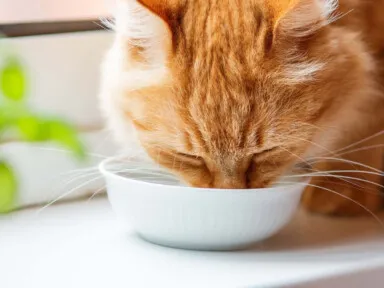
When your pet heads to their water bowl, they trust that what they’re drinking is safe. But the truth is, most municipal water systems are designed with only one species in mind: humans. And while your tap water might meet legal standards for you, it may still carry contaminants that can harm your four-legged family members.
Common tap water elements, including chlorine and chloramine, heavy metals, pesticides and chemicals, microorganisms, and fluoride, can cause potential concerns, according to PetMD. That’s why it’s important to understand your local water quality and take steps to protect it. Because when it comes to your pets’ well-being, “good enough” water isn’t always good enough.
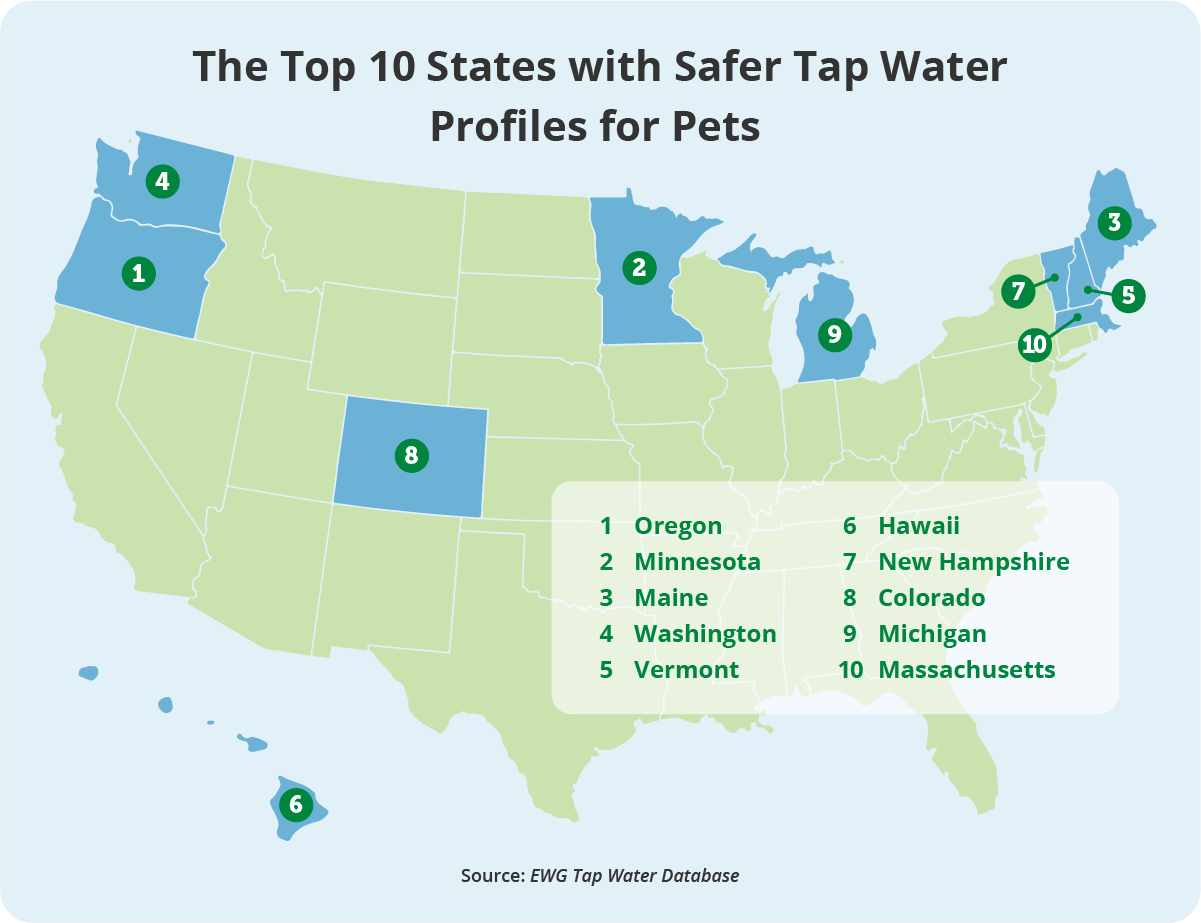
Top 10 States with Safer Tap Water Profiles for Pets
Even in the cleanest parts of the country, pets may still face risks from tap water contaminants. Some states do a better job than others at keeping tap water clean. The Environmental Working Group’s database shows they have lower levels of lead, nitrates, and chlorine byproducts. But even the best systems can miss contaminants. That’s why a home filtration system can be a smart addition—even in places with high marks for state water quality.
Here are ten states where utilities tend to meet or exceed EWG’s more rigorous safety guidelines:
- Oregon: A top performer across the board. Low lead, low nitrates, and barely a blip when it comes to chlorine byproducts.
- Minnesota: This state takes water safety seriously, with tight oversight and some of the cleanest tap in the Midwest.
- Maine: If you like consistency, you’ll love Maine’s record: very few issues with lead or nitrates, and disinfection byproducts are rare.
- Washington: Another strong contender. Most utilities here stay well within the EWG’s health guidelines.
- Vermont: Small but mighty. Vermont boasts some of the lowest contamination rates in the country.
- Hawaii: Island life comes with a perk: naturally filtered water sources that tend to stay clean.
- New Hampshire: Few exceedances and a solid track record when it comes to keeping nitrates and chlorine byproducts under control.
- Colorado: Between mountain springs and strong regulation, this state keeps its water impressively clean.
- Michigan: Since the Flint crisis, Michigan has put stricter testing and transparency in place. Now many utilities are performing better than ever.
- Massachusetts: Thanks to tough water regulations, tap water here has some of the lowest nitrate and byproduct levels nationwide.
If you live in one of these states, that’s a great start. But filtration can still help remove things your local system might miss, especially if your pet’s health is at stake.
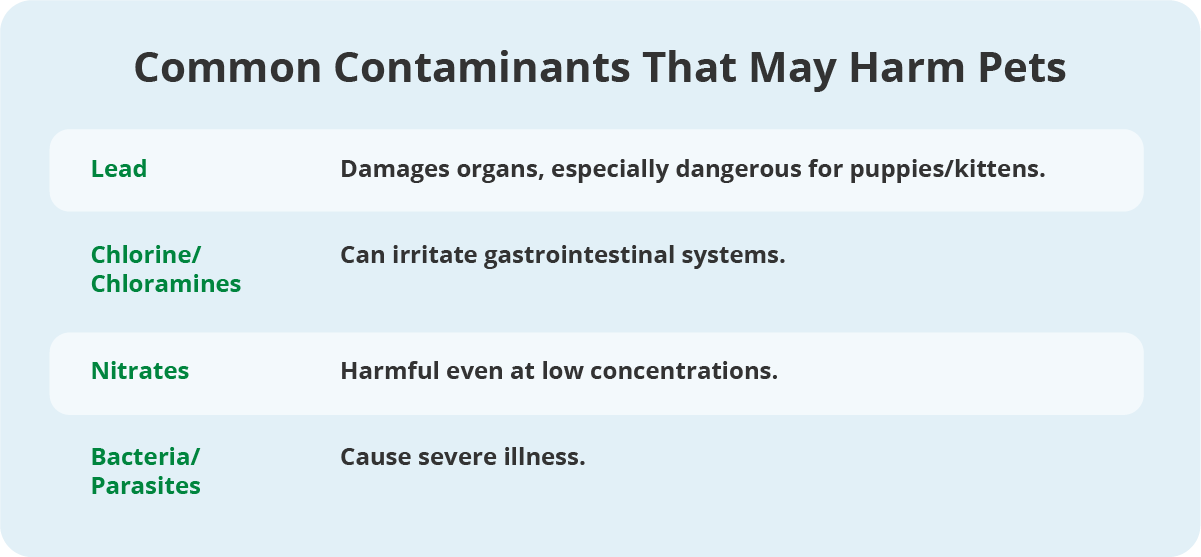
Common Contaminants That May Harm Pets
You can’t see what’s in the water bowl – but your pet’s body might notice the effects. Dogs and cats are smaller than we are, and their systems don’t always handle chemicals the same way. What doesn’t affect you could still throw off their digestion, energy levels, or long-term health.
Here’s what to watch for if you are using tap water, according to PetMD and our own research.
Lead
Still found in older homes and buildings. A little can go a long way when it comes to damage, especially for young animals. It tends to build up slowly, so by the time you see signs, it’s often been there a while.
Chlorine and chloramines
These get added to your water to kill germs, which is good, but they can irritate your pet’s gut. Some animals get gassy, lose their appetite, or just seem off. It might not be the food. It could be the water.
Nitrates
Common in rural areas and farm country, nitrates usually come from fertilizer runoff. They mess with how oxygen moves through the blood. Not a big deal for humans in small doses, but pets? Even small amounts can take a toll.
Bacteria and parasites
Bacteria and parasites don’t care how fancy your neighborhood is. They can slip in through old pipes or untreated wells, and they hit fast: vomiting, diarrhea, or worse. A dirty bowl makes it worse, but even clean bowls can’t remove existing contaminants from tap water.
Fluoride (in high concentrations)
We’re told it’s good for our teeth, and it is, but pets don’t need it. High amounts over time may affect bones or joints. If your dog’s slowing down and it’s not just age, it’s worth investigating further.
Worried about what’s in your pet’s water? You’re not alone. Our full guide to pet hydration breaks it down in simple terms and offers a few easy steps you can take right now.
Regional Risk Factors
Water quality doesn’t just vary by state. It can change from neighborhood to neighborhood. What’s under your street or running through your pipes can make a real difference in what ends up in your pet’s bowl.
A few factors that can impact water safety:
- Older infrastructure often means lead drinking pipes – especially in homes built before modern plumbing codes.
- Rural or agricultural areas may have higher nitrate levels thanks to fertilizer runoff.
- Urban utilities tend to rely more on disinfectants. And while those are meant to kill bacteria, they can leave behind harsh byproducts. If you’re curious, it helps to understand the difference between chloramine in drinking water and other common additives.
Don’t assume your water is safe just because of your zip code. Local factors matter, and your pet’s health is worth a closer look.
Expert Tips for Pet Owners
When it comes to your pet’s water, small habits can make a big difference. Here are a few expert-backed ways to help keep their hydration safe and healthy:
- Always offer filtered water for pets instead of tap water.
- Skip the outdoor hose! Many contain chemicals that can leach into the water.
- Wash food and water bowls regularly to prevent bacterial growth. A short soak with water and vinegar gets scum off of your pet’s dishes faster than soap and water.
- If you want to be absolutely sure about what’s in your water, consider professional testing. It doesn’t hurt to know the signs of water contamination symptoms.
- If you’re weighing your options, learn how bottled water compares to filtration for long-term pet health.
- And for the most reliable solution, explore whole home filtration through Leaf Home Water Solutions.
Pets Deserve the Best, Too
Our pets rely on us for everything from belly rubs to the essentials of daily well-being. And that includes the water they drink every single day.
Even if you live in a state or city with a great reputation for water quality, it’s worth reviewing what’s actually coming out of your tap. Some cities with harmful contaminants still fly under the radar. And even common disinfectants, like chloramine in drinking water, can pose risks over time.
With advanced filtration from Leaf Home Water Solutions, you can feel confident that your family members (including the furry ones!) are getting the cleaner, safer water they deserve.